Swap a weary tank heater for a tankless unit and you notice the difference immediately. Waits for hot water shrink, utility costs settle down, and you redeem floor space that made use of to be a rusty cyndrical tube. In Oregon City, where wintertime mornings can attack and homes blend mid-century plumbing with more recent additions, a smooth tankless hot water heater installation takes preparation and a couple of regional factors to consider. I have actually set up, serviced, and replaced more of these systems around Clackamas Area than I can count, from compact apartments near the bluff to ramblers up on the hill. The very same motifs repeat: dimension the unit effectively, understand your gas and electrical limitations, and regard Oregon's codes and climate.
This overview goes through the why, exactly how, and what-next of going tankless right here. It likewise touches the useful sides that shiny sales brochures gloss over, including air vent directing in limited cellars, gas meter capability calls with NW Natural, and what to ask throughout water heater solution so you aren't back to cool showers in 5 years.
Why tankless fits Oregon City homes
Traditional containers maintain 40 to 80 gallons hot all the time. Tankless heating systems only fire when a tap opens up. That on-demand cycle conserves power and normally extends equipment life. In our location, the long-lasting electrical energy and gas prices matter greater than one winter months's weather. Gas prices in the Portland metro have a tendency to make gas-fired tankless systems the economical choice over electric tankless, specifically for whole-home applications.
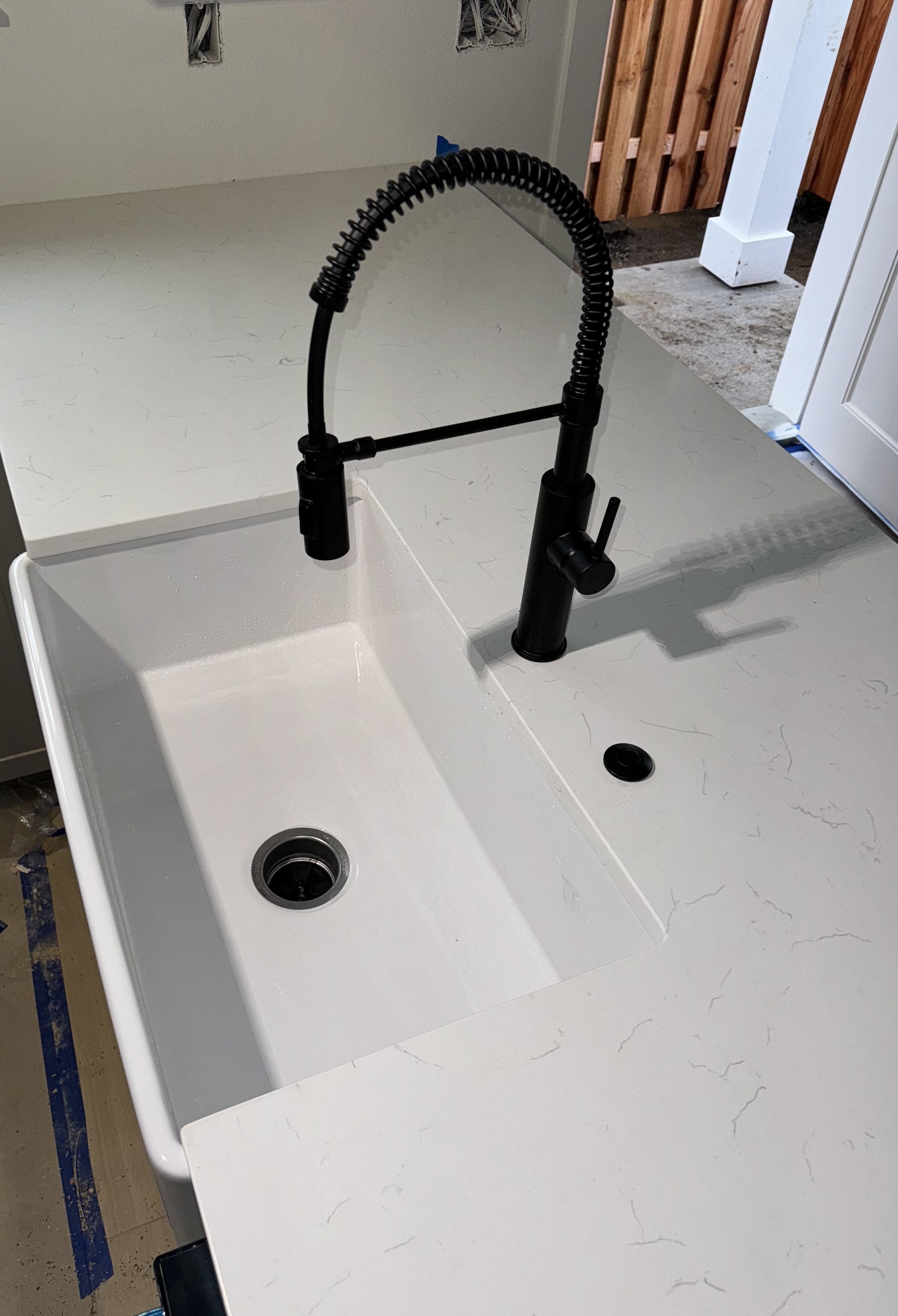
Space is an additional motorist. A wall-hung device over a garage wipe sink liberates storage. In older Oregon City basements with reduced ceilings and a warren of beams, the small impact assists. I have actually tucked condensing units into laundry edges and limited mechanical storage rooms where a container just didn't fit to code.
Finally, tankless sets well with homes that have uneven hot water usage. Family members with early risers and late-shift showers frequently see less hot-water conflicts. Trip services spread via the area also benefit, because still time does not lose energy.
What "efficient" truly suggests throughout an upgrade
Efficiency is not simply the Power Variable on the tag. It is the total system layout, the fit to your home's need, and the quality of the install. I have seen high-efficiency versions underperform due to the fact that the gas line deprived them at high flow, or because the air vent run kinked around framing and dripped condensate. Performance is the sum of right sizing, tidy combustion air, short hot-water runs, insulated pipelines, and great controls.
Expect a correctly picked condensing gas tankless to strike performance scores in the mid 90s. In the field, your understood cost savings will track your usage pattern, inlet water temperature level, and setpoint selections. Oregon City's winter months groundwater commonly hovers in the mid 40s Fahrenheit, which is cooler than numerous spec sheets assume. That impacts circulation at temperature.
How to size a tankless unit for Oregon City
Sizing is where people get tripped up. Tankless capability is measured by the gallons per minute it can elevate water from inlet temperature to your target setpoint. Beginning with a practical lots circumstance and do not merely purchase the largest model on the rack. Oversized systems can short-cycle on low circulations. Undersized devices deliver lukewarm showers in January.
In Oregon City winter, plan for a 70 to 75 level rise if you want 115 to 120 level warm water. That is colder inlet water than in, claim, Phoenix metro. A typical mid-tier gas condensing system ranked at 199,000 BTU might deliver around 5 to 6 GPM at that increase. Two standard showers at once, plus a sink, can exceed that. A smaller 150,000 BTU unit could provide roughly 3.5 to 4.5 GPM at that increase, which might be great for a one-bath bungalow however not a hectic three-bath home.
Flow restrictors, showerhead effectiveness, and behaviors matter. If your home uses low-flow fixtures and never runs the washing machine while two showers run, you can downsize. If you have a soaking bathtub and teens, evaluate or use a recirculation approach to keep waits short.
Gas, electrical, and venting realities
Most whole-home tankless heaters in our area are natural gas. Gas prevails outside city gas solution areas. Electric tankless units exist, but for a 2-bath or bigger home, they frequently require 150 to 200 amps of extra electric ability, which lots of service panels and feeders can not suit without costly upgrades.
For gas devices, two restraints determine expediency:
- Gas supply and meter capability. Several older homes have undersized gas lines that fed just a heating system and a 40,000 BTU container. A 150,000 to 199,000 BTU tankless demands a correctly sized line, often 3/4 inch to 1 inch, relying on run size, and sometimes a meter upgrade. NW Natural will certainly discuss meter sizing with you or your installer. If you include a gas array or fire place later, plan the capability now so you do not tear into wall surfaces twice. Venting and burning air. Non-condensing units need Category III stainless air vent, with specific clearances. Condensing units utilize PVC, CPVC, or polypropylene venting with condensate drains pipes. Condensing systems are typically less complicated and less costly to vent, but they require careful condensate monitoring and neutralization prior to discharge to abide by code and to protect drains. Sidewall venting have to fulfill clearance from windows and doors, which in dense communities can obtain tight. Roof penetrations ought to be flashed and secured properly to handle our rain.
If the home is limited and makes use of a high-efficiency heating system, take into consideration direct-vent models that attract burning air from outdoors. Drawing combustion air from the mechanical room can depressurize a small area and trigger backdrafting in various other appliances.
The duty of water quality and range in performance
Our local water hardness varies. Sections of Oregon City favor moderately tough water. Range is the silent awesome of tankless warm exchangers. The narrow flows that move heat to water will certainly pack up with natural resource unless you address it. Two easy actions go a lengthy means: include seclusion shutoffs with solution ports during installment and prepare for routine descaling utilizing a pump and vinegar or a manufacturer-approved solution. In modest hardness locations, annual solution usually is adequate. If your components crust up in months, think about a whole-home range control gadget or conditioner. With scale control and routine water heater solution, I see tankless units run 12 to 20 years.
Permits, code, and timelines in Oregon City
Oregon requires licenses for hot water heater substitutes, tank or tankless, when gas or airing vent modifications. Oregon City's building division procedures over-the-counter licenses for uncomplicated swaps, while much more complex tasks might require strategy review. A certified specialist generally handles this. Anticipate:
- Site check out and quote. A conscientious installer will certainly measure gas line sizing and runs, check air vent paths, evaluation condensate routing, and note clearances. They will certainly likewise examine seismic strapping on existing tools and code concerns to remedy throughout the upgrade. Permit pull and scheduling. For normal single-unit installs, the authorization fasts. Preparation often depends upon parts, vent installations, and meter upgrade scheduling if needed. Install day. Most replacements take 5 to 8 hours. If gas piping upgrades are called for, or if you are moving the device, intend a complete day or more. Assessments are usually next service day or occasionally very same day relying on examiner availability.
Budget ranges you can trust
Costs depend on brand, ability, condensing vs non-condensing, venting intricacy, and gas line work. In Oregon City area homes:
- Basic non-condensing replacement with minimal gas job: usually in the range of 2,800 to 3,800 bucks, installed. Condensing unit with new PVC venting and condensate management: usually 3,800 to 5,500 bucks, installed. Significant gas line upsizing, long vent runs, or moving: include 800 to 2,000 dollars. Optional recirculation pump kit or devoted return line: include 300 to 1,200 bucks depending upon approach.
These are ballpark figures from recent jobs, not national averages. Energy rebates and supplier discounts come and go. Some energy performance programs occasionally offer a few hundred bucks for condensing tankless models. Ask your installer to check existing incentives.
Recirculation: quick hot water without waste
Tankless systems have an online reputation for lengthy waits at remote fixtures. That is not the heating system's mistake. The chilly water sitting in the pipeline still has to relocate. Recirculation fixes the delay by relocating hot water proactively. There are 3 usual approaches:
- Dedicated return line loophole with a smart pump. Finest efficiency, very little cold-water crossover, greater upfront cost. Great for new builds or open access to pipes runs. Comfort system making use of the chilly line as a return at the far fixture with a thermostatic crossover valve. Reduced price retrofit, a little bit of warm water can show up briefly in the cold line at that fixture. Demand-activated pumps that run when you push a switch or activate a sensor. Conserves power and water without constant circulation.
Modern tankless systems incorporate controls for these pumps. Program routines around your family patterns, and utilize insulation on warm lines to cut losses. This is one place where hot water heater services impact day-to-day comfort as much as performance. The best recirculation method transforms a tankless mount from great to great.
Venting through old homes: a few field notes
Oregon City has older homes with limited joists, smokeshaft goes after, and eccentric attachments. I have actually seen every little thing from 1920s block flues to 1970s light weight aluminum flex duct used for bath fans, both of which complicate hot water heater venting.
A few functional pointers that maintain installs tidy:
- Avoid attempting to reuse a stonework smokeshaft for a tankless unless it is lined correctly and the unit is accredited for that configuration. Sidewall venting is usually cleaner. Keep vent runs short and with gentle instructions changes. Every arm joint includes comparable length to your vent, and manufacturers restrict complete equivalent size. That matters more for non-condensing units. Trap and neutralize condensate near the device, not after a lengthy horizontal run. Slope the line, make use of a neutralizer cartridge sized to your anticipated condensate quantity, and link right into an authorized drainpipe with an air gap. Maintain clearances to grade, home windows, gas regulatory authorities, and residential or commercial property lines. Assessors will examine these ranges. Snow is not common right here, however leaves and yearn needles are, so keep discontinuations obtainable for cleaning.
Electrical demands, even for gas models
Gas tankless systems still require electrical power for ignition, follower, and controls. Plan a specialized receptacle, ideally on an unshared circuit. If your garage outlet also runs a fridge freezer and tools, you take the chance of hassle trips. In cold snaps or blackouts, no power means no warm water. Several property owners add a tiny inverter and battery backup for short blackouts, or tie the circuit into a whole-home generator. If you have seismic shutoff valves or leak discovery systems, coordinate source of power and control electrical wiring with the water heater installation so they do not conflict.
Brand considerations and serviceability
I stay clear of brand battles. The best choice is normally the one your installer understands well and can service swiftly. Components schedule in the Portland metro matters. A costs unit is not exceptional if a stopped working flow sensing unit needs to ship from across the country and you are taking chilly showers for a week.
Look for versions with:
- Readable analysis displays and error codes. Some show inlet and outlet temperature levels, circulation prices, and follower speeds. These assistance during hot water heater service and troubleshooting. Field-replaceable elements with clear accessibility. Heat exchangers, igniters, followers, and sensors need to be reachable without taking down the whole cabinet. Good support for recirculation and outdoor use if appropriate. Outdoor-rated versions can save airing vent headaches, though they require freeze security and careful placement. Robust guarantee assistance with local representatives. Ask your installer just how warranty insurance claims are taken care of and what labor insurance coverage looks like.
Common challenges and just how to prevent them
There are patterns to the service calls I see:
- Undersized gas supply. The heating unit operates at low circulation, after that mistakes out when 2 fixtures run. The repair calls for pipe upsizing from the meter or a reroute. Prevent this by calculating gas lots for the whole home and gauging pressure drops. Ignoring range. The unit begins short-cycling or throwing temperature level mistakes after a number of years. With isolation valves, a 45 min descaling recovers performance. Without them, service costs climb. Wrong air vent materials. I have actually replaced thawed plastic areas made use of with non-condensing units and worn away metal utilized with condensing exhaust. Adhere to the guidebook. Examine after year one to guarantee no condensate is pooling. Poor condensate routing. Acidic condensate consumes copper and concrete. Neutralize and discharge correctly, not right into a crawlspace. In winter, shield exterior lines from freezing. Misapplied recirculation. Pumps readied to run throughout the day beat effectiveness gains. Usage timers, aquastats, or need controls.
What to anticipate on installation day
A seasoned team turns up with the best installations, adapters, air vent areas, and a descaling set for future service. They will cover floorings, isolate water, gas, and power, then drain and eliminate the old tank. The wall brace increases at the appropriate height for clearances and servicing. Gas piping obtains pressure-tested after modifications. Venting is dry-fit, pitched properly, and sealed per supplier specifications. Combustion analysis should be performed on gas units, verifying carbon monoxide degrees and appropriate combustion at low and high fire. Then they remove air from lines and appoint the unit, setting temperatures, dip buttons, and, if present, recirculation parameters.
A thoughtful installer will walk you with filter displays to clean, how to check out mistake codes, and when to require hot water heater service. They will identify shutoffs and leave a simple diagram if the mechanical location has several appliances.
Maintenance that spends for itself
A tankless heating system is not maintenance-free, however the tasks are foreseeable:
- Clean the inlet water filter every 6 months or when flow decreases. It is a 5-minute task. Annual descaling in modest solidity areas, two times a year if you see scale at components swiftly. The procedure includes shutting isolation valves, distributing a light acid remedy, flushing, and going back to service. It preserves warm transfer and efficiency. Inspect air vent terminations for obstructions and seals. Oregon's loss leaves and spider internet can obstruct screens. Replace condensate neutralizer media as needed. Numerous cartridges last 1 to 2 years depending upon usage. Check for software updates or control tweaks if your design sustains them. Some producers enhance ignition sequences or fan contours over time.
If you set up normal water heater services, integrate them with heating system filter modifications or other seasonal jobs. Bundling maintains costs down and guarantees absolutely nothing gets missed.
When electrical tankless makes sense here
Despite the electric lots obstacles, I have set up electric tankless devices where gas was not offered and the home had a robust 400 amp service, commonly paired with solar. For small apartments, accessory home devices, or point-of-use applications like a far-off shower room, a portable electrical device can be clever. Simply verify wire size, breaker availability, and panel ability. For a whole-home retrofit in a 150 amp or 200 amp home, the cost to upgrade feeders and panels typically presses individuals back to gas, or to a heatpump water heater if a tank can fit.
Considering heatpump water heaters as an alternative
It deserves a mention. Heat pump water heaters are efficient and usually eligible for incentives. They save warm water like a storage tank, evaporate the area a little bit, and run on power. In unconditioned garages or cellars with adequate volume, they are compelling. The compromise is recuperation speed and the space they inhabit. If your main objective is compact size and continual hot water for multiple showers, tankless still fits much better. If you desire the lowest electrical usage and have room, a heatpump storage tank can beat even a condensing tankless in operating expense, specifically if your home is all-electric.
A practical course to update efficiently
If you are planning your own Oregon City project, use this straightforward sequence to maintain the upgrade tight.
- Define your peak use situation and choose a target temperature level. Count fixtures and consider practices honestly. Assess infrastructure: gas meter and lines, electric capacity, vent courses, and drainpipe options for condensate. Choose a condensing gas unit sized for winter months inlet temperatures, unless electrical or lp pressures a different route. Plan recirculation just if you have long waits, and choose the control strategy that matches your home. Line up authorizations, timetable a credible installer, and allocate isolation shutoffs, condensate neutralization, and pipe insulation. These tiny things make the system trustworthy and serviceable.
What to ask your installer
A short conversation saves frustrations later on. Ask:
- Will my gas meter and line sizing support this system at high fire along with my heating system and variety? What is the calculated lots and pressure drop? How will you air vent the device, and what is the complete equal length? Where will certainly the intake and exhaust terminate? How is condensate dealt with and neutralized? Where does it drain? What maintenance is called for, and will certainly you set up seclusion shutoffs and a cleanable inlet screen? What is the warranty procedure and regional components availability?
Good pros address these without bluffing. If the response is unclear, keep shopping.
The function of professional water heater services after install
Even the very best mount benefits from recurring attention. An annual hot water heater service includes descaling, filter cleaning, combustion evaluation, and safety checks. Tiny drift in gas shutoff calibration or a partially clogged fan display does not introduce itself, however it erodes efficiency and comfort. Routine solution captures those fads. If your home has a leak detection system, include a fast examination of the shutoff valve to the browse through. If you make use of a recirculation pump, confirm the timetable still matches your regimen, specifically after seasonal modifications or family routine shifts.
If a problem surface, mistake codes on modern-day devices aim you in the ideal direction: E10 circulation problems, E38 fan or venting, and so forth, depending upon the brand name. Some are homeowner-fixable, like cleansing a filter. Gas-related and venting-related errors should be taken care of by a qualified tech.
Environmental and comfort rewards you can bank on
A right-sized, well-installed tankless system trims standby losses down to nearly nothing. Over a year, that can suggest 10 to 30 percent less fuel use compared to an older container, sometimes much more if the old tank got on its last legs. The comfort gain is just as genuine. Lengthy showers do not deplete a container, and loading a huge bathtub does not set off a lengthy reheat cycle. Include recirculation and pipeline insulation and you reduced water waste and everyday waiting.
In Oregon City's environment, the upgrade additionally plays well with future changes. If you add a shower room or revamp a kitchen, an effectively selected tankless can flex. If you energize heating later on and your gas load drops to simply the hot water heater and an array, the gas meter capacity you prepared for will still be greater than sufficient.
Final thoughts from the field
A reliable upgrade is equal parts math and craftsmanship. The mathematics covers flows, temperature increase, BTUs, and stress. The craft shows up in neat gas piping with unions positioned for service, air vent runs that do not combat the house, and a condensate line that drains pipes like it should. It additionally turns up in the small courtesy of classifying valves and leaving the space cleaner than it was found.
If you collaborate with a contractor that treats your home's plumbing as a system instead of a box to switch, you will feel it every morning when the hot water arrives, constant and silent. That is the factor of tankless water heater installation done right: not simply a brand-new device, yet a much better experience day after day.
When you prepare, gather a number of bids, compare not only price yet the thinking behind each strategy, and choose the team https://beckettezju280.lowescouponn.com/specialist-hot-water-heater-service-in-oregon-city-maintenance-tips-and-prices that explains the why. Maintain their number helpful for periodic hot water heater services, and your tankless device will pay you back in cost savings, space, and reliability for numerous years.